maxim88news
Best ever start to a season under Hürzeler

©TM/IMAGO
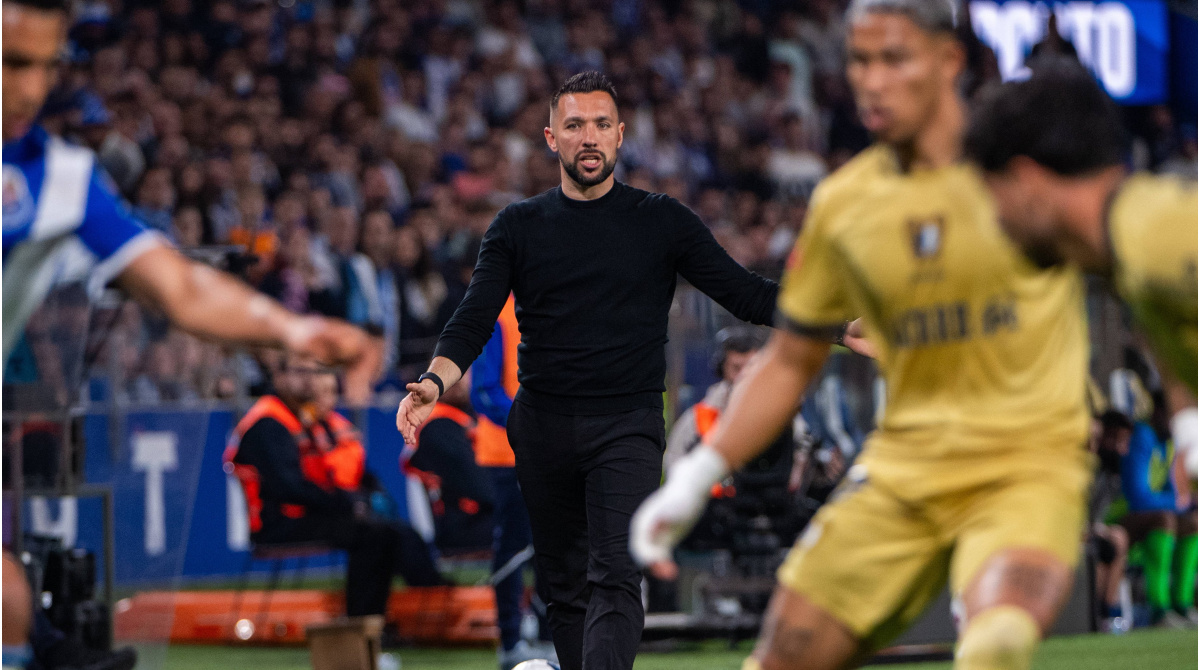
Many eyebrows were raised when Brighton and Hove Albion made the bold choice to appoint 31-year-old Fabian Hürzeler as the successor to Roberto De Zerbi in the summer. The German became the youngest ever Premier League boss, and had never previously managed a game in any of Europe’s top-five leagues. Just a few months into his tenure, and Hürzeler is proving he is well capable of holding his own against his older counterparts, with Brighton enjoying a superb start to the season – they have never had more Premier League points at this stage of the campaign.

They face south-coast rivals Southampton this Friday evening at the AMEX, with the Saints bottom of the table. A win would see Brighton rise to second in the Premier League. For so long the masters at selling players for big profits, the Seagulls actually invested heavily themselves last summer spending €231.2 million, and in-turn breaking their transfer record twice (Yankuba Minteh from Newcastle for €35m & Georginio Rutter from Leeds for €46.7m). But once again, the money they have spent appears wisely thought-out, and Brighton now have a plethora of young talent among their ranks. European football looks well within their capabilities.
How Brighton’s risk to appoint 31-year-old Fabian Hürzeler is paying off
In the Seagulls opening game at Everton (which they won 3-0) five of Brighton’s starting XI were older than the manager, with 38-year-old midfielder James Milner seven years Hürzeler’s senior. It was without doubt a risky appointment, but if any Premier League club were going to take that risk it was always going to be Brighton. “For me it’s always about good or bad. It’s not about age – it’s the same for the players.” said Hürzeler back in October. Already just five months into his reign on the south-coast, Hürzeler’s side have claimed some serious scalps. They came from 2-0 down to beat Tottenham 3-2, they also came from behind to beat champions Manchester City. Three more points came against Manchester United, whilst they also took a point at the Emirates vs Arsenal. Hürzeler is going toe-to-toe with the tactical elite.

As we can see in the graphic we displayed near the start of the article, Brighton are enjoying their best points total at this stage of the season since they were promoted back in 2016/17. Second on that list was actually last season when the Seagulls started strongly before experiencing a huge fall-off under De Zerbi. This time around they seem better equipped to go the distance, with no European football commitments and a much stronger depth of squad at their disposal. Despite a lot of new faces arriving, Hürzeler has also done a stellar job at getting the best out of the players who were already at the club.
Veteran striker Danny Welbeck already has six Premier League goals this season – he only managed five during the entirety of the last campaign. Home-grown youngster Jack Hinshelwood has also stepped up his development under the German’s stewardship, while Jan Paul van Hecke has been one of the best centre-halves in the Premier League this season, after looking slightly shaky last term. No other Brighton player has completed more passes or had more touches in the league this season than the Dutchman. Winger Kaoru Mitoma has also looked back to his best this term. In Hürzeler, Brighton may have unearthed a gem of a coach, and at just 31 years of age, one would suspect he will only continue to improve. The club’s forward-thinking looks to have paid off yet again.
Are Brighton the Premier League’s best run club?
Brighton have gained the reputation over the last few years of being one of Europe’s best run clubs. Modern. Forward thinking. Innovative. Owner Tony Bloom and chief executive Paul Barber run the club astutely. They has been exemplary in scouting young talent from far and wide and eventually selling them on for lucrative profits. Moisés Caicedo was brought from Ecuadorian side Independiente Del Valle for an initial €5m (which rose to €28.2 million because of a sell-on fee) and sold to Chelsea for €116m just two years later. Marc Cucurella signed from Getafe for €18m, and was flogged to Chelsea just 12 months after for €65.3m. You can see the pattern. In the summer of 2023 the club recouped €190m in transfer fees from player sales, but didn’t spend that straight away. However, last summer their approach shifted and Brighton began belatedly seriously re-investing that cash. So why now? And will the risk pay off?

As illustrated in the graphic above, only the free-spending Chelsea spent more money on transfers from all clubs in world football than Brighton did last summer. Their spend was unprecedented in the club’s history, splashing out €231m on seven new players. Six of the club’s all-time record transfers came from signings last summer with Brazilian João Pedro, who was brought in the previous summer, the only exception. The most expensive deal came for 22-year-old Leeds forward Rutter, whom the Seagulls paid the Yorkshire club €46.7m for.
It’s also worth noting that all of Brighton’s major signings last summer are aged 24 or younger. With a squad now filled with young talent, a young exciting manager in the dugout, and the club still only having a net spend of -€60m across the last five seasons, the Seagulls appear to be in a very good place. They have shown patience and guile, and have a recruitment model that competes with the very best in Europe. Don’t be surprised to see Brighton qualify for Europe this season – Champions League qualification could even be a feasible possibility. And don’t be surprised to see them sell some of their young talents for huge fees in the forthcoming years. Their long-term model continues to produce.